We use three kinds of cookies on our websites: required, functional, and advertising. You can choose whether functional and advertising cookies apply. Click on the different cookie categories to find out more about each category and to change the default settings.
Privacy Statement
Required cookies are necessary for basic website functionality. Some examples include: session cookies needed to transmit the website, authentication cookies, and security cookies.
Functional cookies enhance functions, performance, and services on the website. Some examples include: cookies used to analyze site traffic, cookies used for market research, and cookies used to display advertising that is not directed to a particular individual.
Advertising cookies track activity across websites in order to understand a viewer’s interests, and direct them specific marketing. Some examples include: cookies used for remarketing, or interest-based advertising.
The ECI (Einstein Conversation Insights) Voice Connector supports variable phone number identification for three CTI (Computer Telephony Integration) providers: Aircall, Dialpad, and RingCentral. After installing the Voice Connector package, three new custom fields are added to the Salesforce User object to store each provider's unique user identifier. This article explains the additional setup steps required to configure and enable variable phone number support after installation.
User Fields Added After Installation
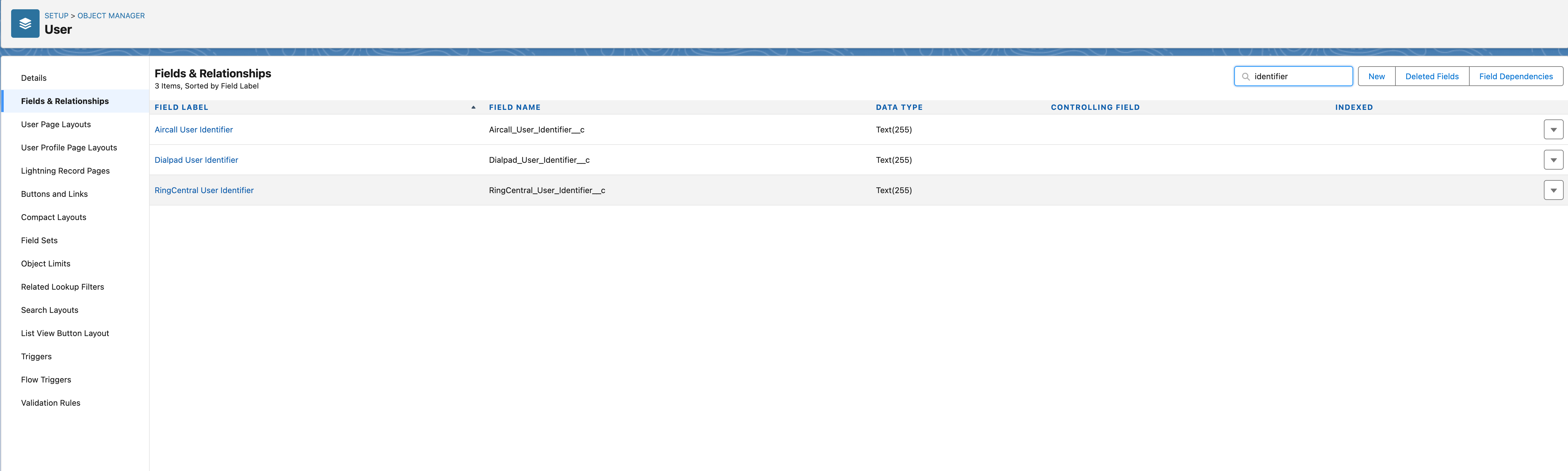
Upon installation of the ECI Voice Connector package, the following three new fields are added to the Salesforce User object:
• 3. RingCentral User Identifier — stores the unique identifier for the RingCentral CTI account
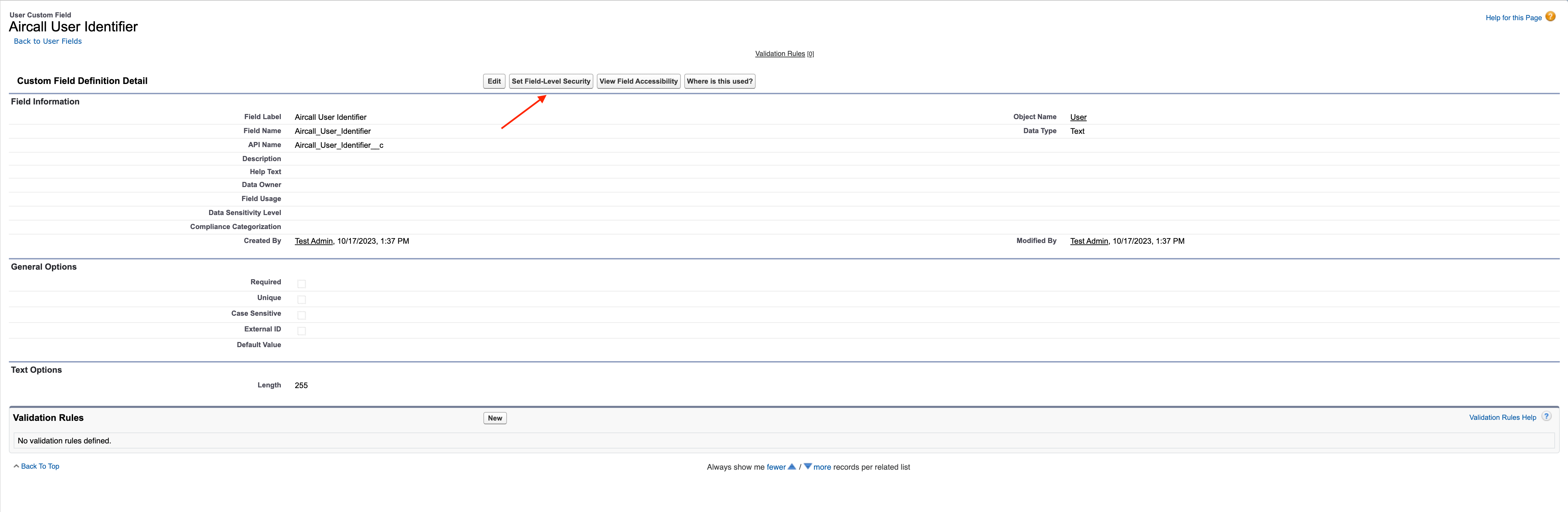
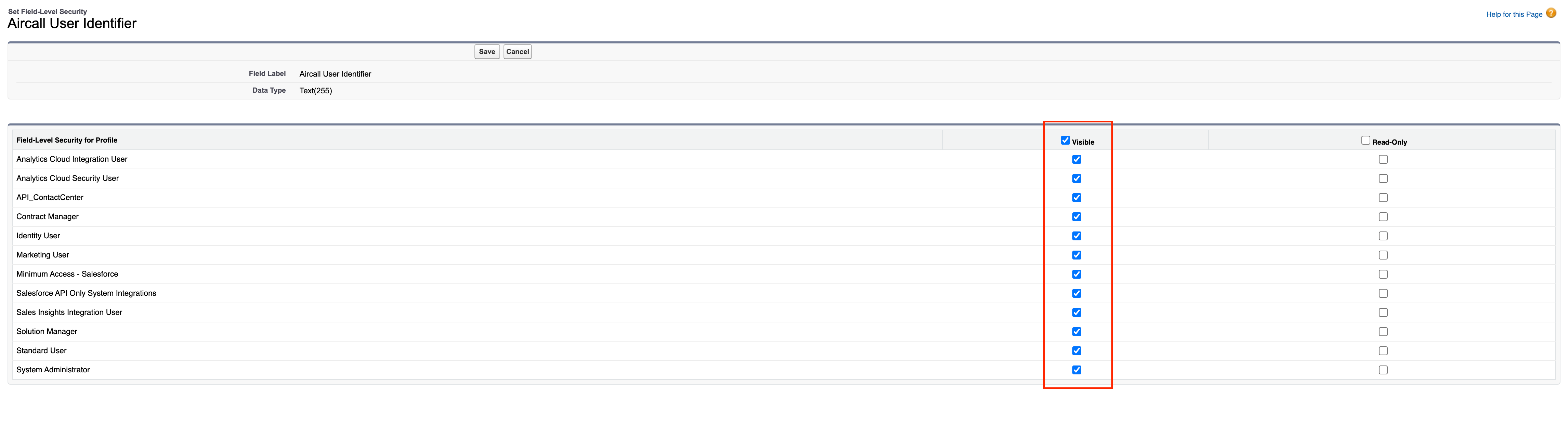
By default, these fields are not set as visible to any profile. An administrator must configure field-level security for each field:
After setting field-level security, add these fields to the User page layout so that administrators can populate them.
The visibility needs to be checked for which user profile should be using these fields. Then click “Save”.
After that, the fields then need to be added to the user layout.
Each of these will have setup steps below on what information can be used to fill these fields with the correct information to match the user to their respective CTI account.
How to Access User Identifier Information
Aircall
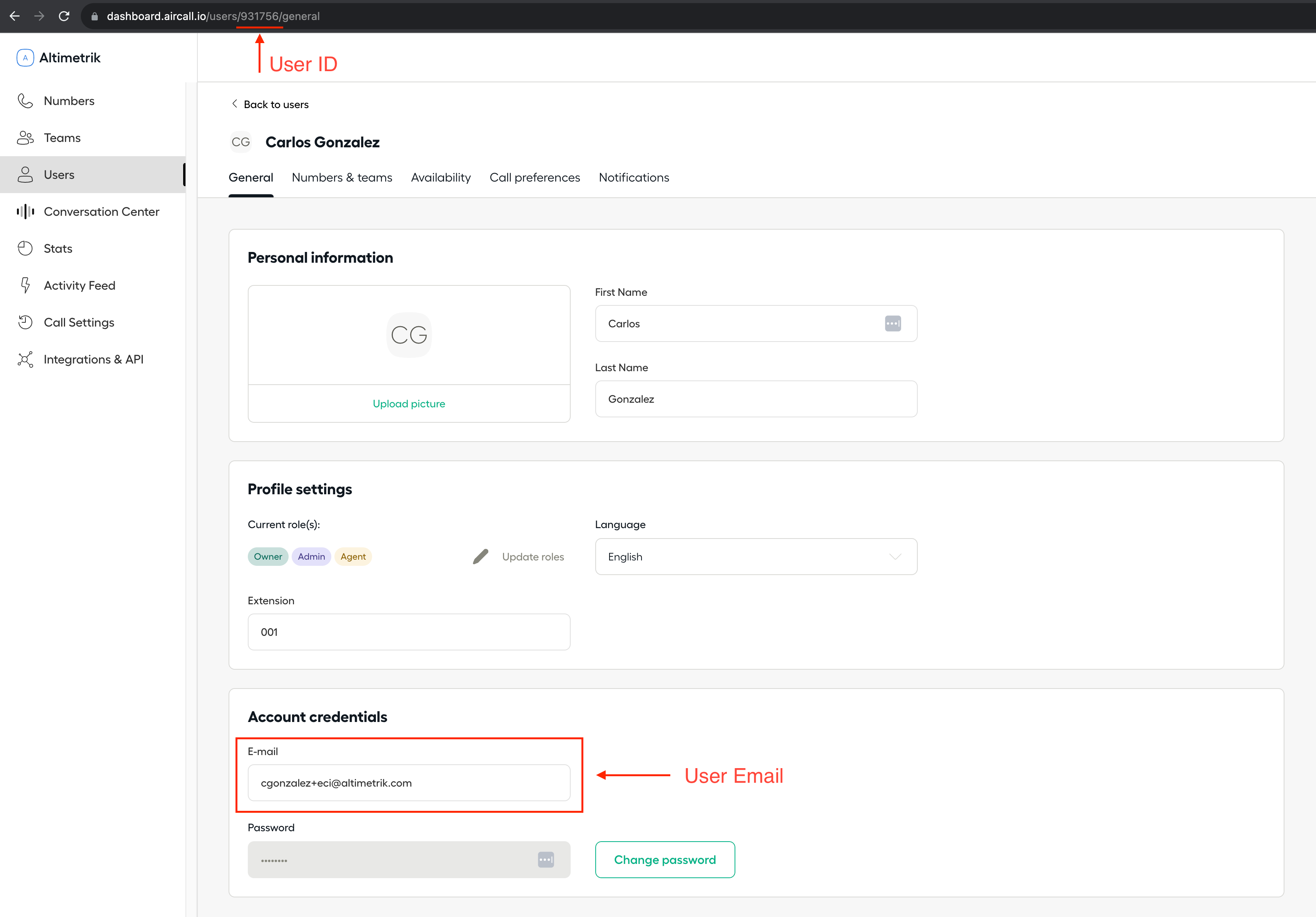
For Aircall, the unique identifier for each user can be either the User ID (a numeric value) or the User Email address. Both are available on the user's Aircall profile page. Set one of these values in the Aircall User Identifier field on the corresponding Salesforce User record.
Example: The Aircall Unique Identifier can be set to either a numeric User ID (e.g., 931756) or the user's email address.
In this case the value can be set in the two cases below:
931756or
cgonzalez+eci@altimetrik.com
Dialpad
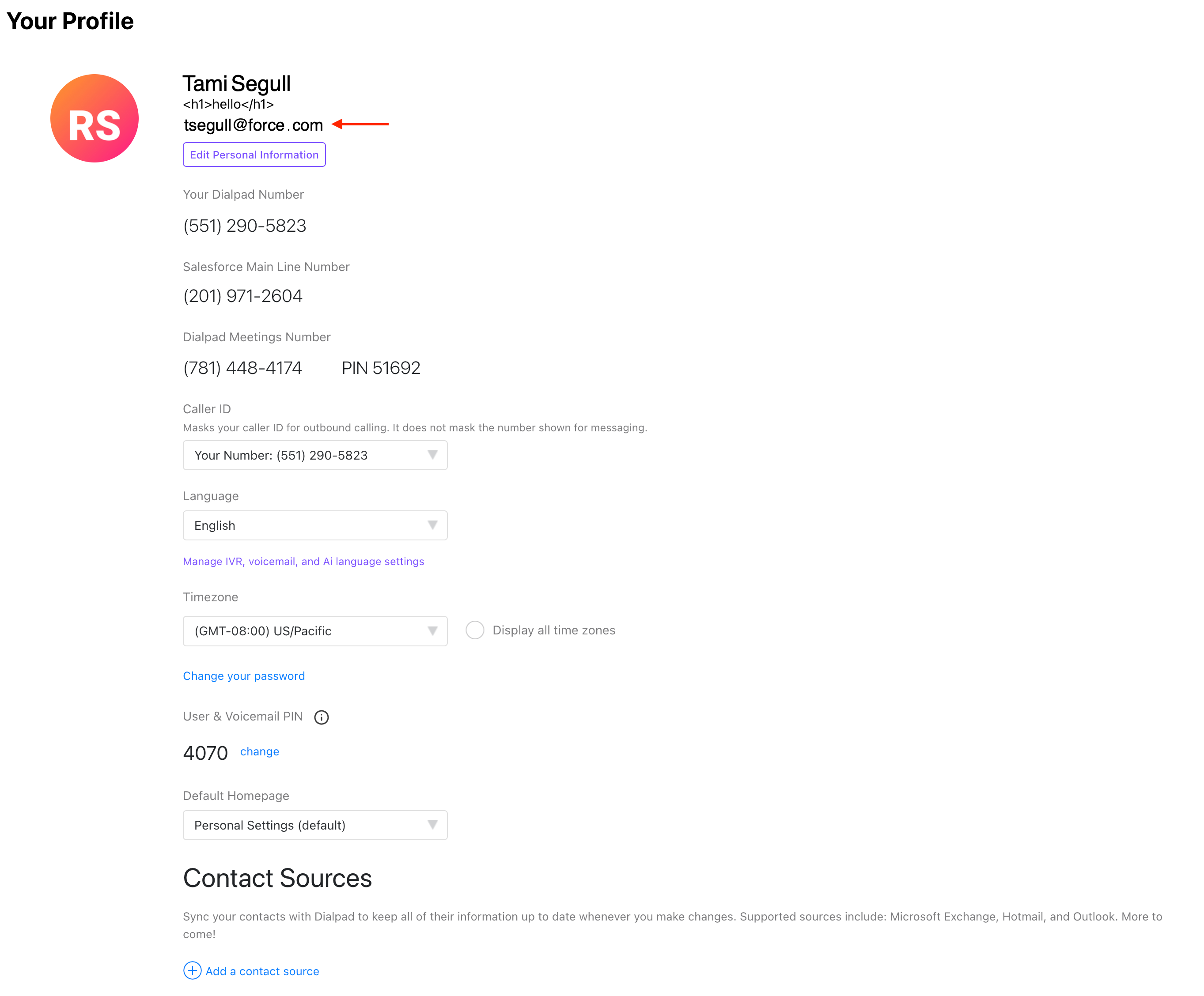
For Dialpad, the user identifier is the Dialpad User ID, which is obtained via the Dialpad API. If only the Dialpad dashboard is available, the user email address can also be used.
To retrieve the Dialpad User ID via API: make a GET request to `<REDACTED> The response returns a JSON array of user objects. For each user, locate the "id" field — this numeric value is the Dialpad User ID to use as the unique identifier. For example, a user might have an id value such as "5296465605984256".
To use the email instead: the user's email address is visible on the Dialpad user profile page in the Dialpad admin dashboard.
RingCentral
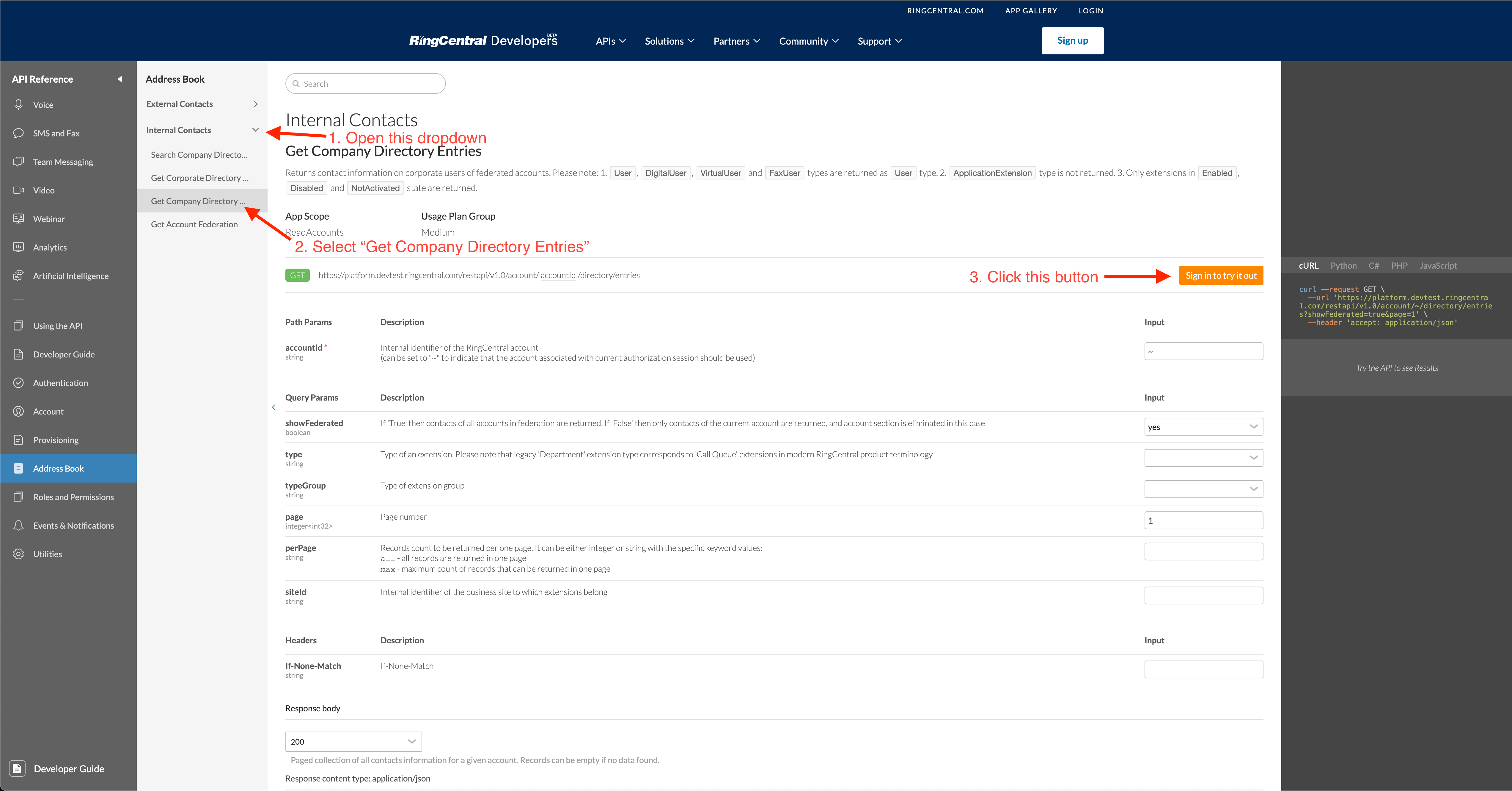
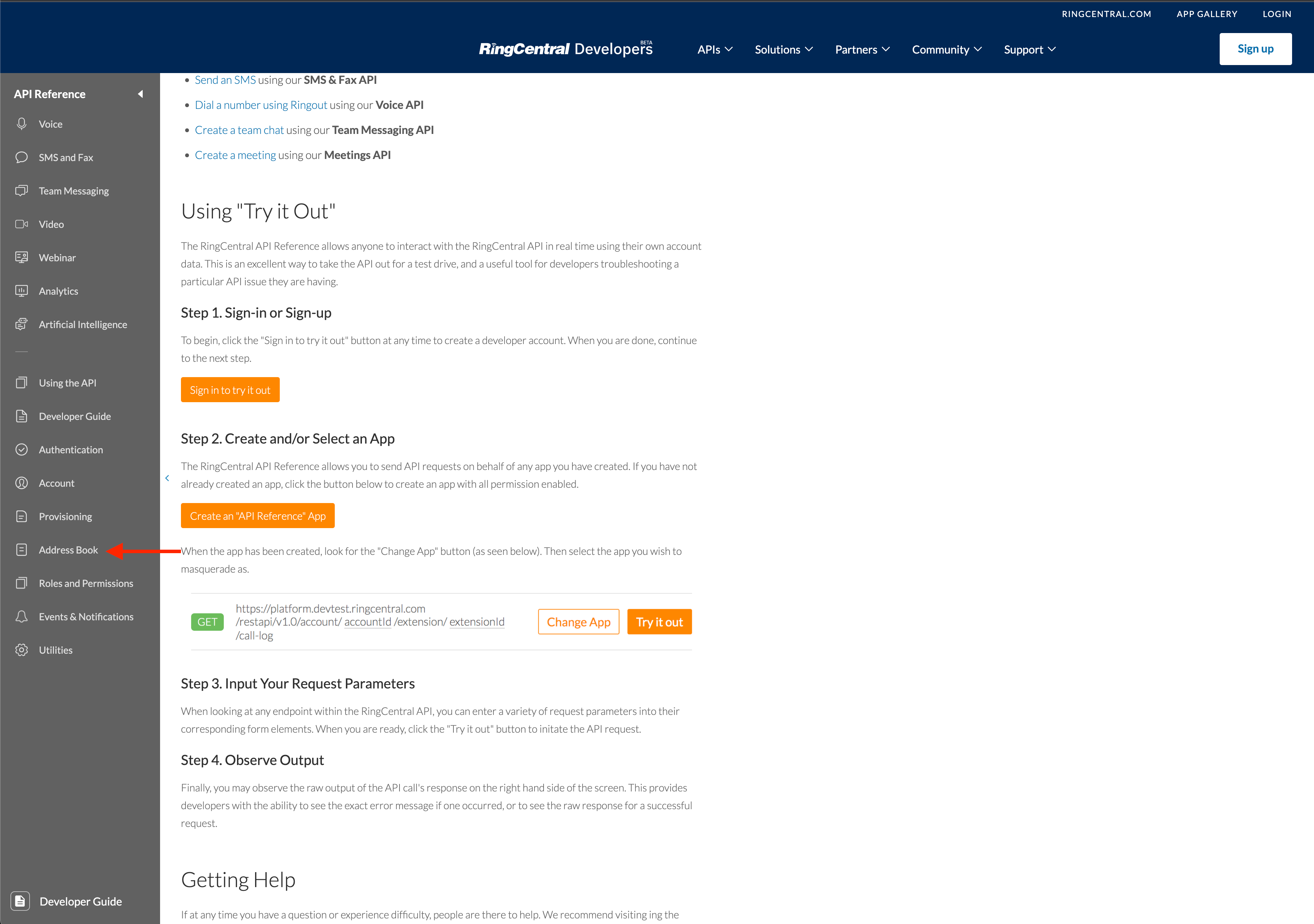
For RingCentral, the unique identifier is the user's Extension ID, which is available only through the RingCentral API:
• 8. On the Salesforce User record, enter this ID value in the RingCentral User Identifier field
From this page:
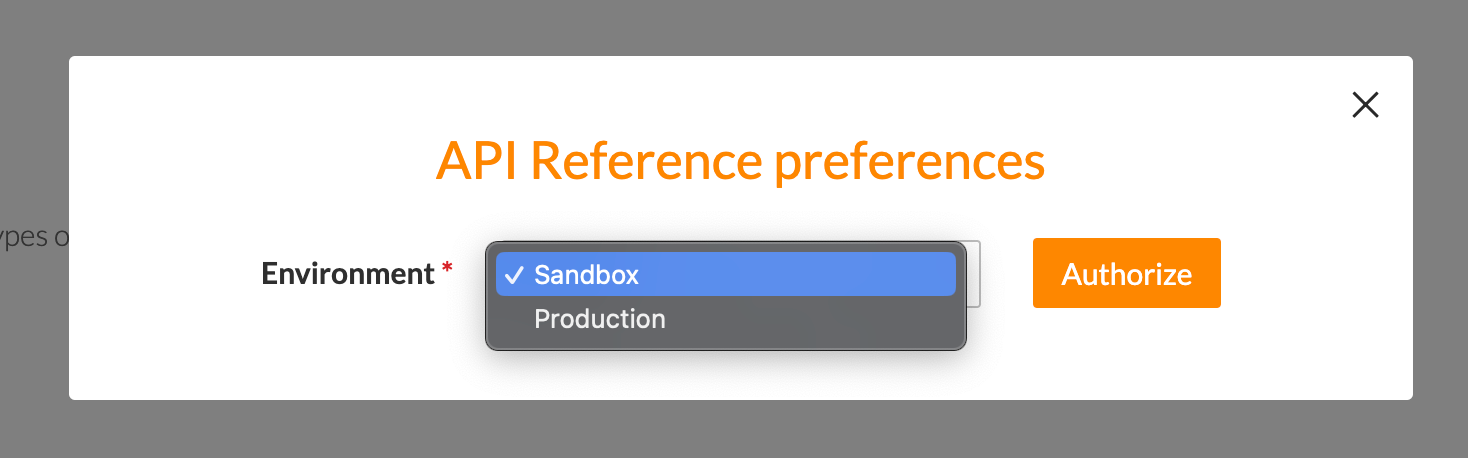
The orange sign button will have you authenticate and then select an API Reference preference. Pick the one that matches your org’s situation. For my testing purposes it was “Sandbox”When you select that you should see a success screen.
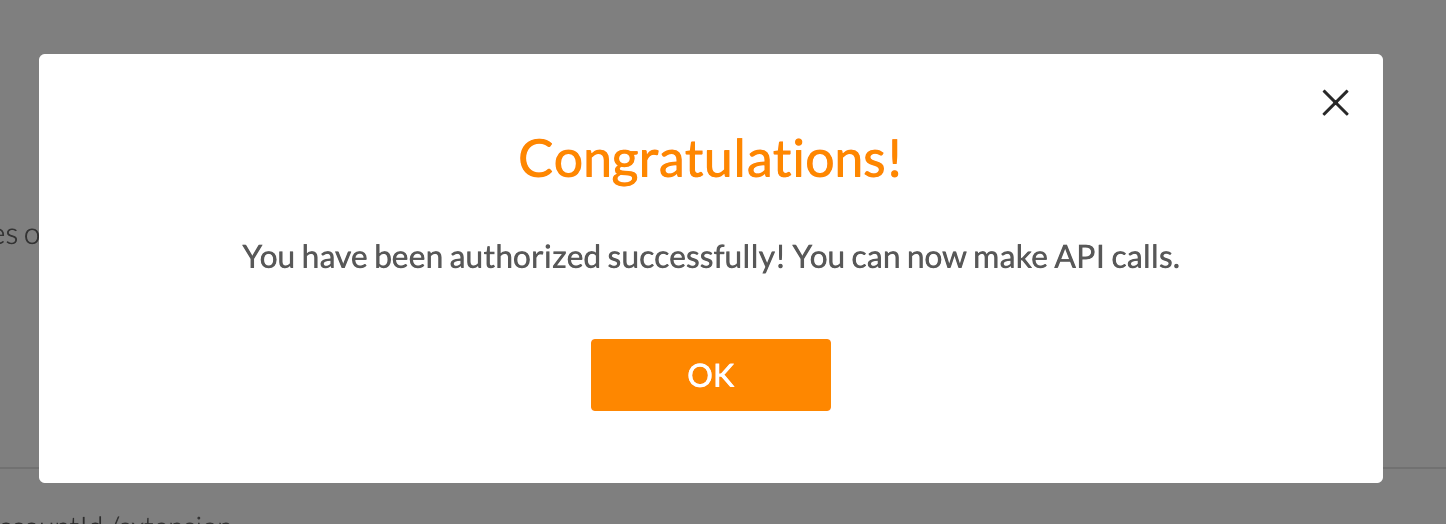
And the orange button should now say “Try it out”. Click the button.

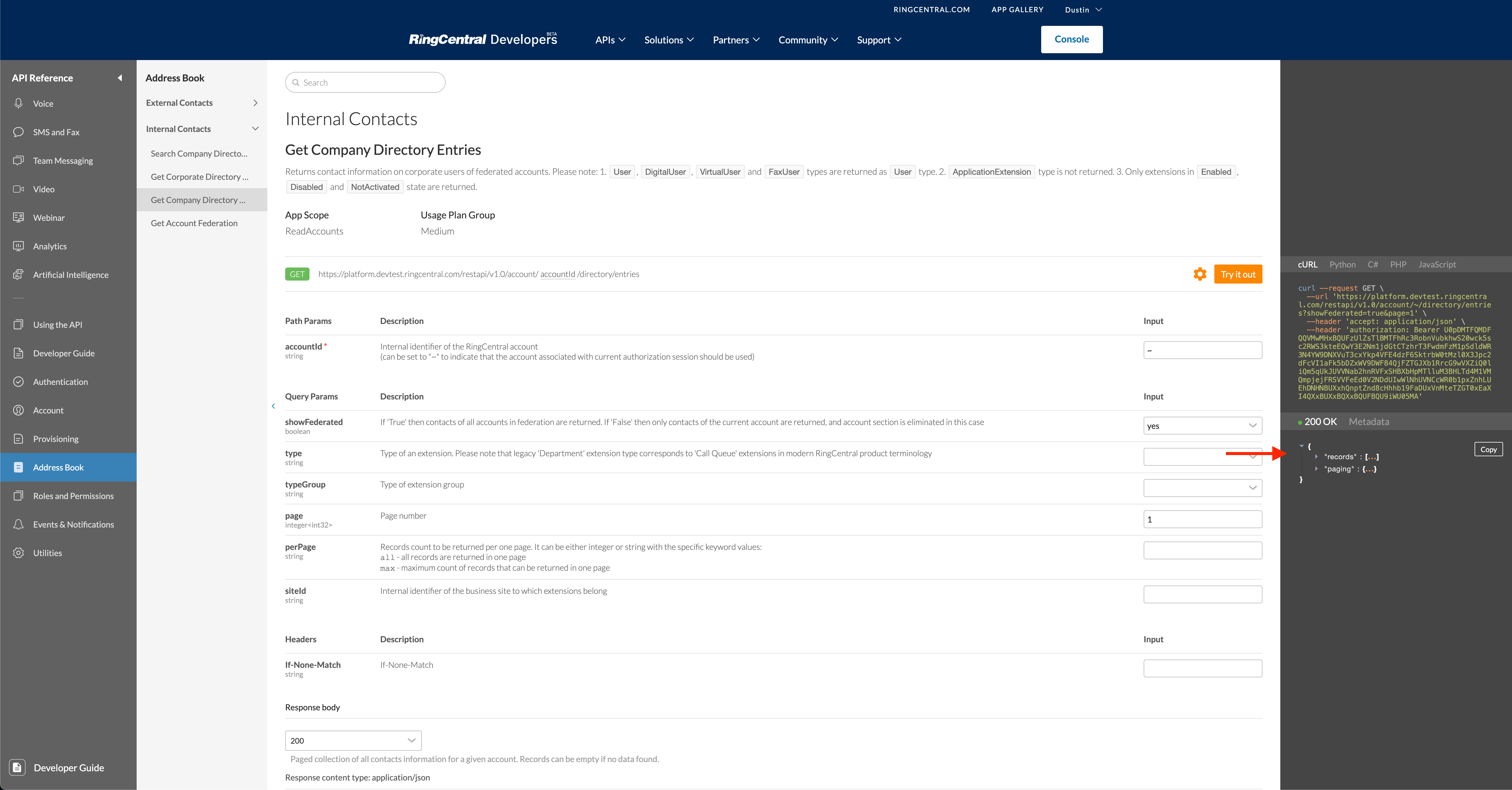
On the right hand side is where we’ll be viewing our data from the endpoint. It should ideally be a 200 OK meaning our request was successful. Click the dropdown arrow for "records" and we should see all the users that we have set up with RingCentral.Find the user we are wanting to match to with our user on the Salesforce side, and copy their “id” value.
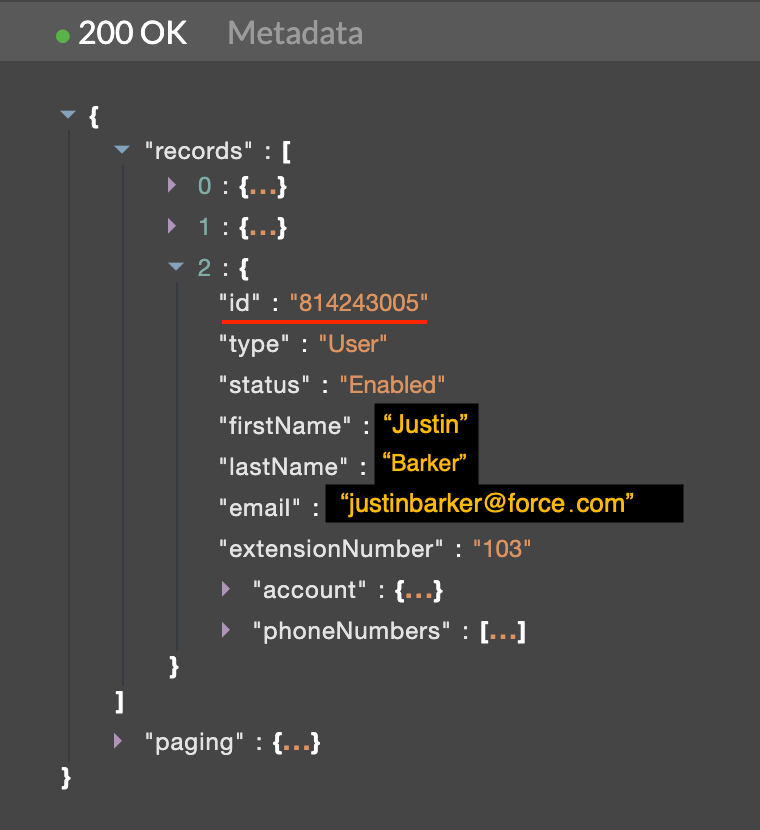
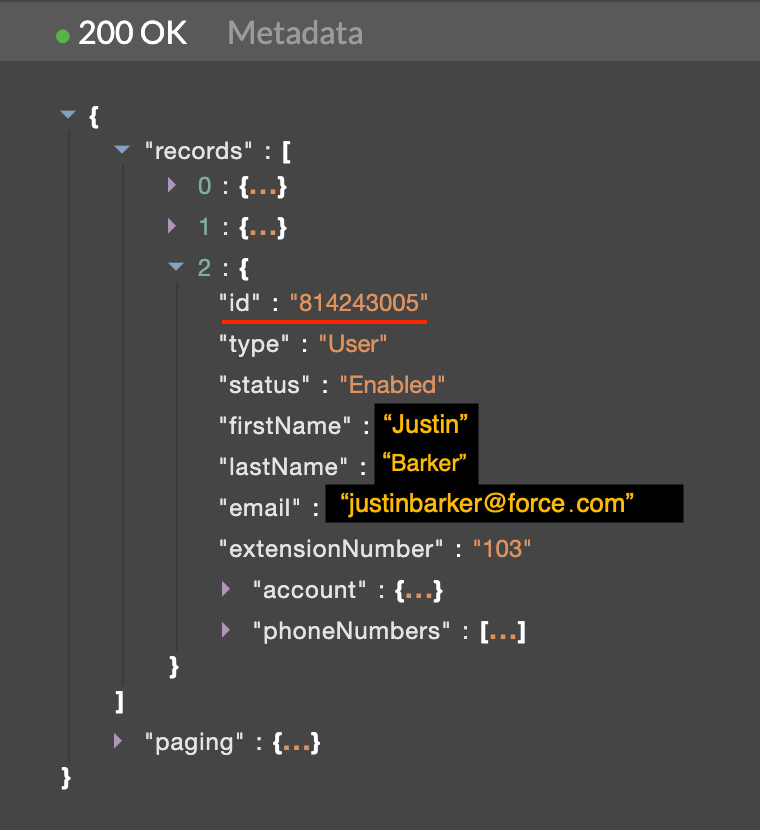
In the user’s information page set that id as the value for RingCentral Identifier and now the user should be correctly matched to their RingCentral account.
000396912