After you set up Broadcast Communications, your incident team members can use these broadcast
types:
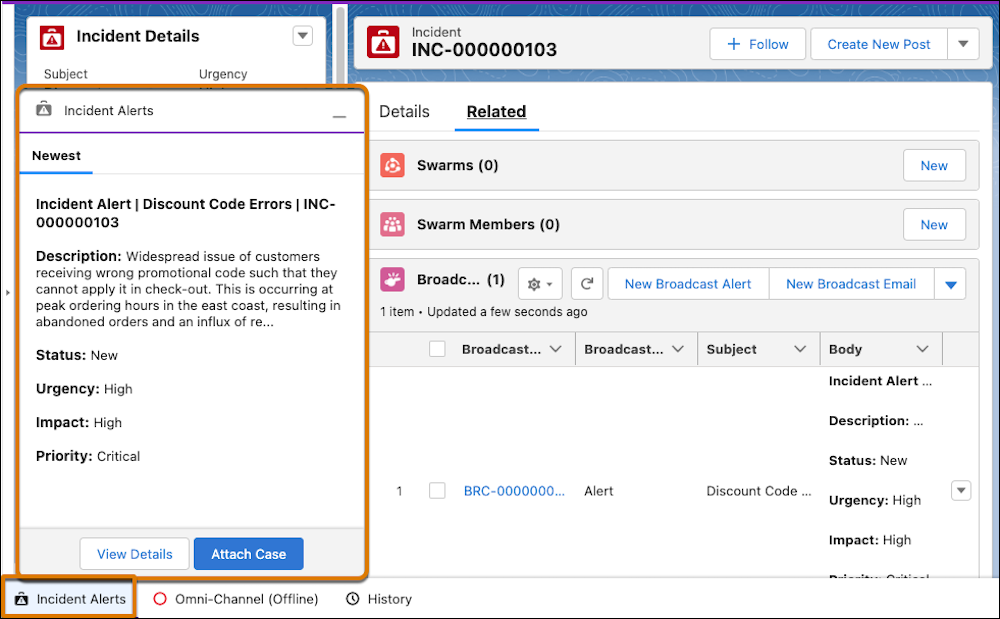
Broadcast Alert
Send a disruptive in-app alert about an ongoing incident to a relevant
group or queue. Incident teams receive timely notifications, can keep up to date with the
incident’s progress, and can attach related cases, right from the Incident Alerts widget.
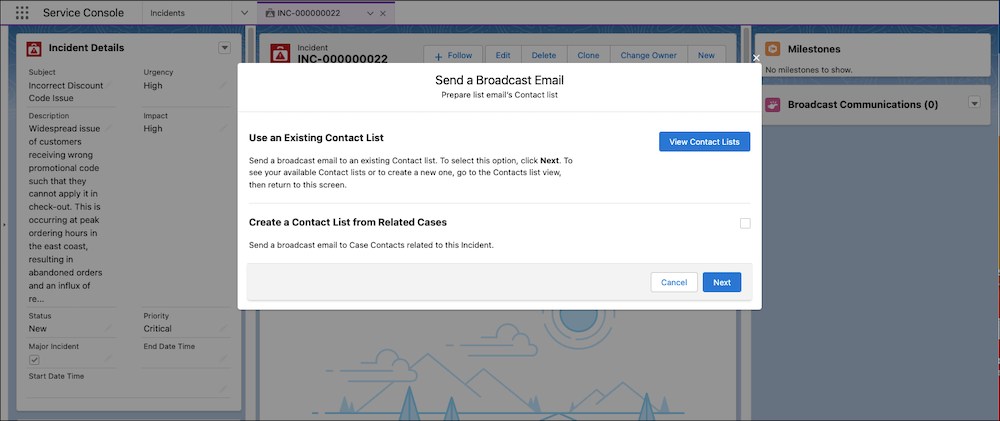
Broadcast Email
Send an email to a contact list view or to case contacts related to an
incident with incident updates. Incident teams can easily keep impacted customers in the loop
about incident progress and paths to resolution from the incident record.
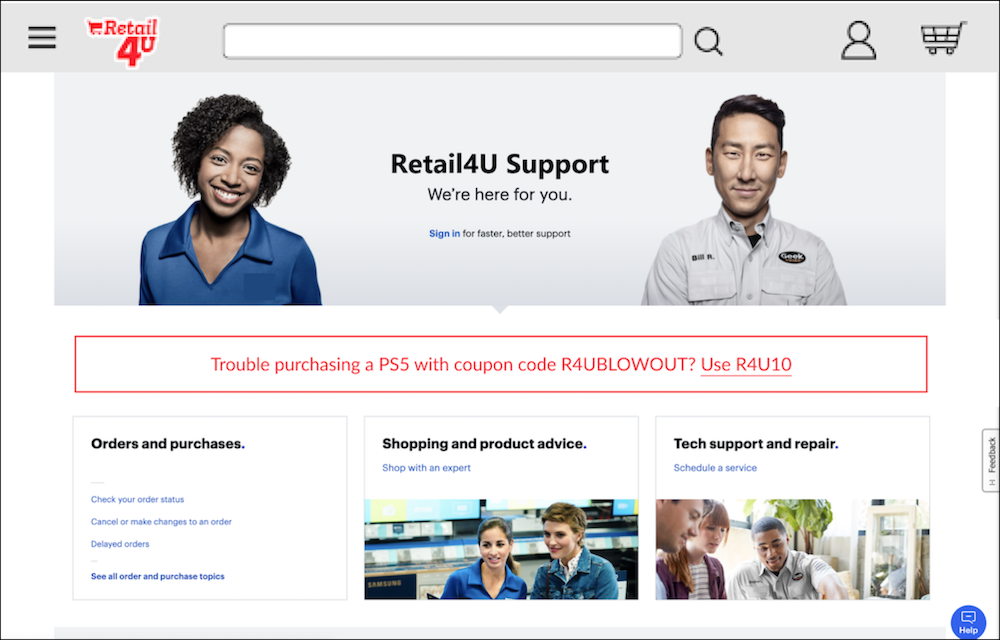
Broadcast Site Banner
Share critical customer updates when an incident occurs from your LWR
and Aura sites with customizable banners. Incident teams can alert customers about an ongoing
incident to deflect cases, share progress updates, and maintain customer trust at scale.
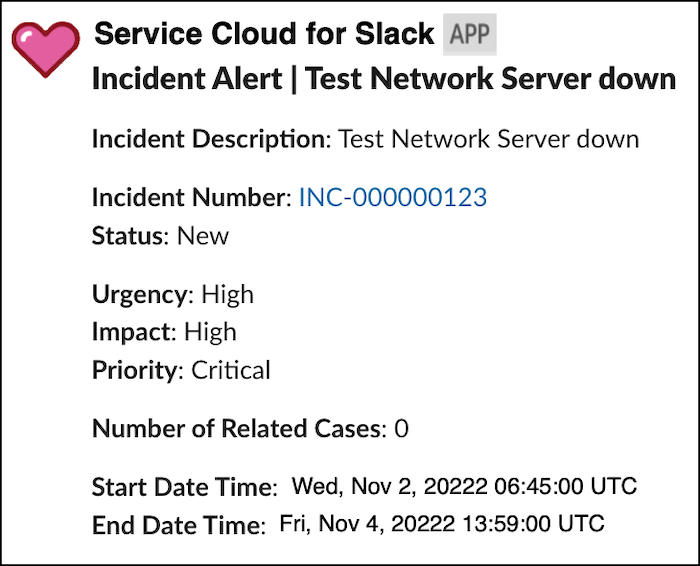
Broadcast Slack Message
Send incident progress reports to leadership teams and relevant
stakeholders in Slack. Incident teams can send a templated message with fields pulled from the
incident record to keep internal teams in the loop when an incident occurs.
Set Up Broadcast Communications To help your team share updates with your customers at scale during an incident, set up Broadcast Communications.
Use Broadcast Communications Inform internal and external stakeholders of urgent issues with Customer Service Incident Management broadcast communications. You can notify the appropriate groups via alerts, Slack messages, emails, or site banners.
Did this article solve your issue?
Let us know so we can improve!
Loading
Salesforce Help | Article
Cookie Consent Manager
General Information
Required Cookies
Functional Cookies
Advertising Cookies
General Information
We use three kinds of cookies on our websites: required, functional, and advertising. You can choose whether functional and advertising cookies apply. Click on the different cookie categories to find out more about each category and to change the default settings.
Privacy Statement
Required Cookies
Always Active
Required cookies are necessary for basic website functionality. Some examples include: session cookies needed to transmit the website, authentication cookies, and security cookies.
Functional Cookies
Functional cookies enhance functions, performance, and services on the website. Some examples include: cookies used to analyze site traffic, cookies used for market research, and cookies used to display advertising that is not directed to a particular individual.
Advertising Cookies
Advertising cookies track activity across websites in order to understand a viewer’s interests, and direct them specific marketing. Some examples include: cookies used for remarketing, or interest-based advertising.