
You are here:
Data Model for Marketing Cloud Intelligence
Marketing Cloud Intelligence pulls data from a variety of sources with different data types. Each one of these different data types has its own unique combination of dimensions and measurements. The dimensions are made up of entities that have a certain relationship, or hierarchy, between them. It’s important to maintain this relationship in Marketing Cloud Intelligence’s database, otherwise the data can get aggregated incorrectly.
For this reason, for each of the different data types, Marketing Cloud Intelligence has emulated the unique relationship, which exists between these entities. This means that the corresponding Marketing Cloud Intelligence entities within its database follow the same relationship. Modeling the data by these relationships for the various data types is what’s collectively known as the Marketing Cloud Intelligence Data Model.
The legend used by the diagrams that follow:
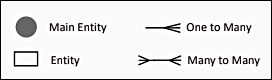
There are two possible relationship types between entities – one-to-many and many-to-many:
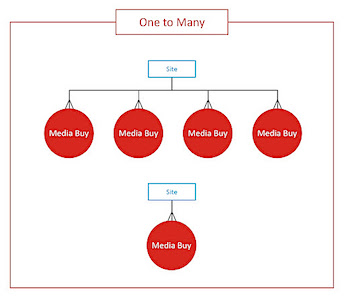
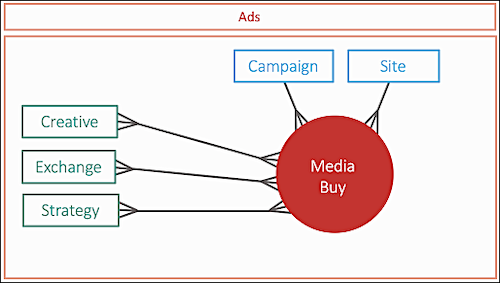
One to Many – For example, the connection between Site and Media Buy. One Site can be linked to many Media Buys, however, one Media Buy can be linked to one Site only.
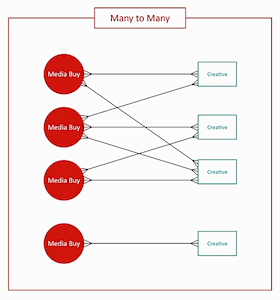
Many to Many – For example, the connection between Media Buy and Creative. One Media Buy can be linked to many Creatives and vice versa, and one Creative can be linked to many Media Buys.
The Main Entity in Marketing Cloud Intelligence
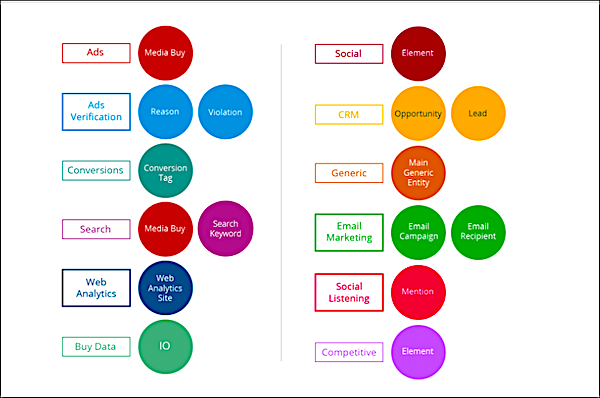
The Marketing Cloud Intelligence Data Model considers one of the entities from each data type to be the main entity. The main entity is the entity around which everything else revolves or is associated with within a given data type. In the data stream type diagrams below, all main entities appear in a circle. For example in the Ads data stream type, Media Buy is the main entity.
The different main entities are:
Overarching Entities in Marketing Cloud Intelligence
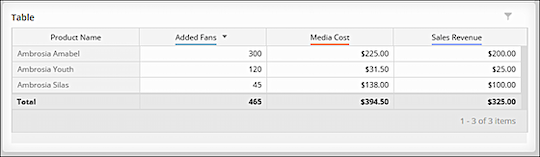
Overarching entities exist in all data stream types and allow you to link different data streams by these entities. This enables slicing different data types by one (or more) overarching entity. For example, delivery and social data can both be sliced by the overarching entity ‘Product’ (as seen in the following image):
In the overarching entities in the following diagram, the entities on the-right hand side are in fact 'Attributes' of the main entity. They are in a one-to-many relationship with the main entity, so they can each only hold one value for each main entity value. For example, in the ‘Ads Data Stream Type’, 'Product' is an attribute of 'Media Buy' meaning that there can only be one 'Product' value for each 'Media Buy' value. The entities on the left-hand side are in a many-to-many relationship with the main entity and as such, they can each hold multiple values for each main entity value. So for example, in the ‘Ads Data Stream Type’, there can be multiple 'Device Category' values for 'Media Buy' value.
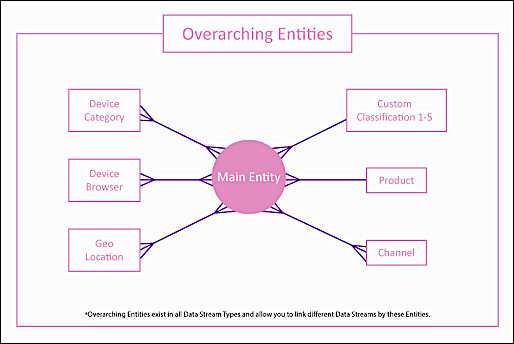
Note that Channel isn’t a mappable entity.
Data Stream Custom Attributes in Marketing Cloud Intelligence
Data Stream Custom Attributes behave like Attributes to the Data Stream Entity. Data Stream Custom Attributes are updated with a slight delay, so they might not appear in your workspace data immediately after being added.
Cross-Connectivity Between Data Stream Types in Marketing Cloud Intelligence
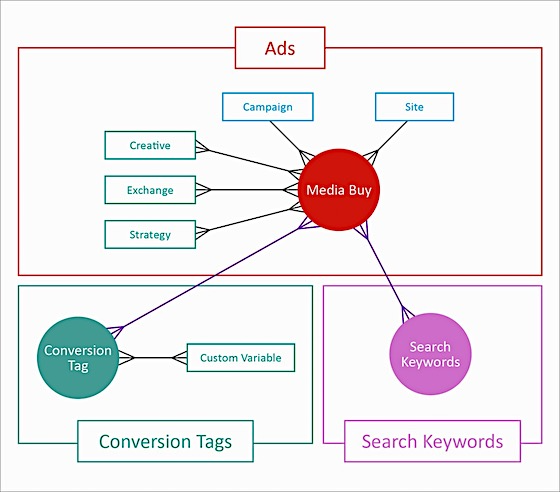
A relationship between entities doesn’t have to be via a direct link but can also be through a ‘third party’ Entity. For example, Campaign and Site aren’t linked directly one to another. However, since each one of them is linked to Media Buy in a one-to-many relationship, the relationship between Campaign and Site is many-to-many indirectly.
Data Stream Types in Marketing Cloud Intelligence
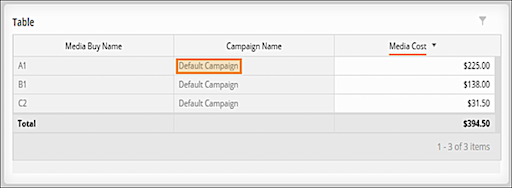
The following diagrams show which entities are included in each data stream type. Not all entities must be mapped in each data stream, however it’s advised that you always map the main entity. The main entity appears in a circle so you can distinguish it from the other entities. Entities that aren’t mapped by the user are given a default value by the Marketing Cloud Intelligence platform. For example, in the following widget (representing one data stream) the ‘Media Buy Entity’ is mapped, but the ‘Campaign Entity’ isn’t, hence the ‘Campaign Entity’ gets a default value.

In the Data Models below, the largest circle highlights the Main Entity.
The main entity is determined per data stream type. For example, ‘Media Buy’ is the main entity in the ‘Ads Data Stream Type’, but it isn’t the main entity in the ‘Conversions Data Stream Type’. In the data models that follow, the largest circle highlights the main entity. You can see that some data stream types include entities from other data stream types. For example, in the data model for the ‘Conversions Data Stream Type’, you can see entities from the ‘Ads Data Stream Type’.
The types of data streams are:
- Ads
- Ads Verification Blocking
- Buy Data
- Buy Data Conversions
- CRM Leads
- Competitive
- Conversion Tag
- Conversion Tag with Keywords
- Ecommerce
- Messaging
- Products
- Search Keywords
- Social Element Traffic Source
- Social Listening
- Social Objects
- Web Analytics
- Web Analytics Events
- Web Analytics Pages
- Web Analytics Tags
- Generic Data Stream Type
Ads
In the world of digital marketing, the ads data stream type is where you can find the data for your display ads campaigns. This data stream type contains the delivery data that comes from these campaigns. For example, how many times an ad has been seen, clicked or how much money it cost. The ads data stream type can be used with providers, such as Facebook Ads, Google Ads, Twitter Ads, Bing Ads and more.
Ads Verification Blocking
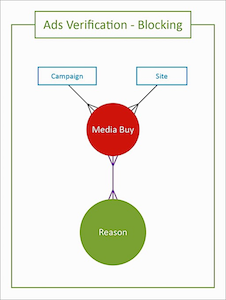
The ads verification blocking data stream type tracks data where ads were blocked by ad verification platforms, and therefore weren’t served. This usually pertains to ads that were blocked due to a violation of the platform’s terms and conditions and either disrupted user experience or violated brand safety. You can use this data stream type with providers, such as IAS, and Double Verify.
Buy Data
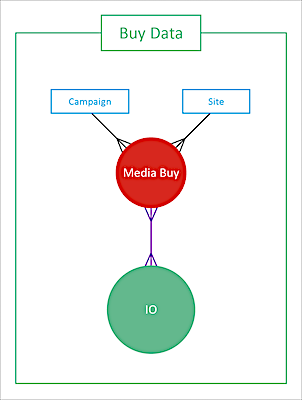
The ‘buy data’ data stream type is intended for ingesting data relating to planned advertising activity, sometimes referred to as ‘planned data’ or a ‘media plan’. Used in Media Transparency Center implementations, it facilitates the bulk creation of Insertion Orders (or IOs for short), which themselves represent the scope and details of the said activity, with information such as the IO start and end dates, IO cost type, IO rate and IO budget. It’s also used to create an association between IOs and their related delivery data, thereby unifying planned with actuals. This data stream type can be used to ingest media plans from systems, such as Salesforce, Mediaocean, Nexelus, and Netsuite.
Buy Data Conversions
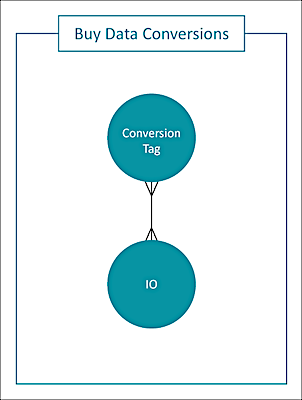
Buy data (ingested using the ‘buy data’ data stream type) can contain IOs that are associated with conversion tags. However, not all conversion tags associated with a certain delivery item under an IO, are necessarily relevant for that IO’s cost calculations. The buy data conversions data stream type allows you to associate between existing IOs and the conversion tags of relevance. In a sense, this data stream type can be thought of as a ‘conversion tag filter’ for IOs, and is only used as an add-on to an existing use of the ‘buy data’ data stream type.
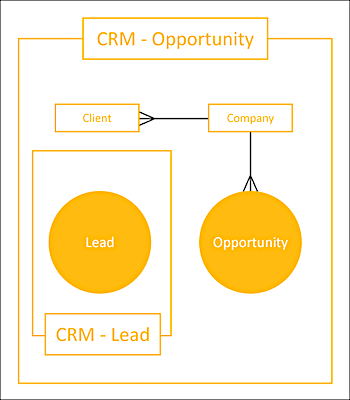
CRM Leads
The CRM leads data stream type is intended for ingesting data relating to the potential prospects of a business, commonly known as ‘Leads’. Designed to keep a historical record of each lead’s evolution over time, this data stream type is equipped with slowly changing type 2 dimensions, such as lead stage, lead status and lead modified date. The CRM leads data stream type can be used to ingest data from lead generation platforms, such as Marketing Cloud Account Engagement (Pardot), Hubspot Marketing and Intercom, as well as from CRM platforms, such as Salesforce, Sugar CRM, and CRM Creatio.
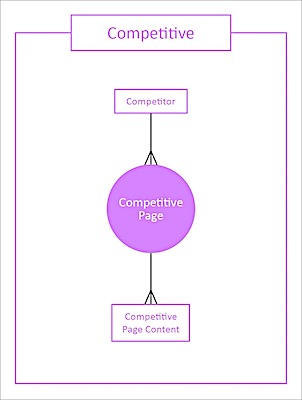
Competitive
The competitive data stream type, which is used side by side with the social objects data stream type, allows you to compare yourself to your competitor by displaying various social metrics side by side from the two data stream types. The purpose of this data stream type is to allow you to view your competitors' data separately from your own data. This data stream type is suitable for any social media platforms, such as Facebook, Instagram, Twitter, and YouTube.
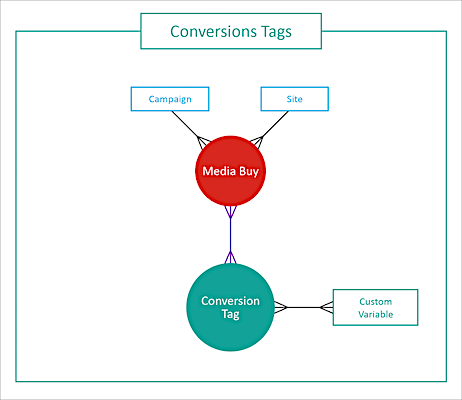
Conversion Tag
The conversion tag data stream type is intended for ingesting data related to the various 'calls to action' tied to your campaigns, also known as conversions. You can see what particular conversion tag prompted your audience to complete a call to action, and whether this happened after they viewed your ad or after they clicked it. This data stream type also includes data related to the monetary aspects of your conversions for example, how much a conversion cost or how much revenue it brought in. This data stream type can be used with providers, such as Facebook Ads, Google Ads, Google Display&Video 360, Twitter Ads, and more.
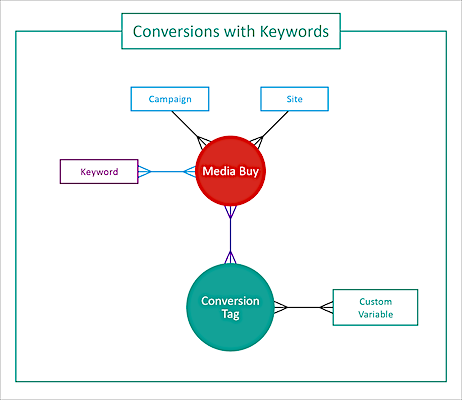
Conversion Tag with Keywords
Whenever an ad is displayed in a search engine result and drives a conversion, the search keywords that led to this conversion are attributed to it. In these cases, the conversion tag with keywords data stream type is used to ingest the conversion data along with the respective search keywords related to it. The conversion tag with keywords data stream type is suitable for providers, such as Google Ads, Search Ads 360, and Bing Ads.
ecommerce
In the world of ecommerce, the ecommerce data stream type is where you can find different levels of data for product catalogs, placed orders, number of purchased items within each order, and more. This data stream type is intended for ingesting different data types, in their various forms, from ecommerce platforms. The ecommerce data stream type can be used with providers, such as Salesforce OMS, Amazon Seller Central, and Amazon Vendor Central.
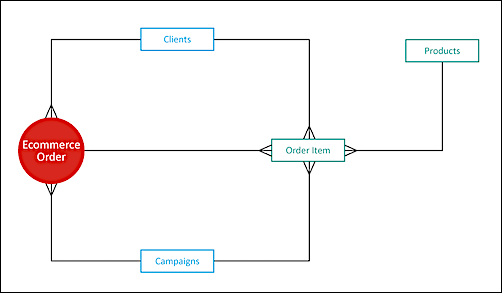
For details on the ecommerce data stream type, see: Ecommerce Data Stream Type
Messaging
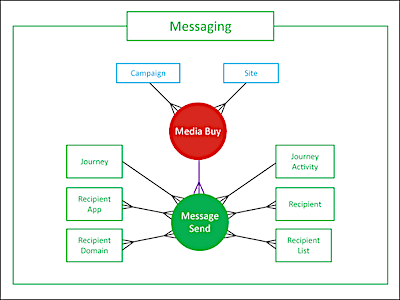
The messaging data stream type is intended for ingesting email marketing and mobile phone marketing, as well as user journey data, which is available on some of the more advanced messaging platforms. A message can be in the form of an email, a text message, or an app notification, and is typically associated with measurements, such as how many people received, opened, clicked on a message, etc. This data stream type can be used to ingest data from platforms, such as Salesforce Marketing Cloud, Marketo, and Adobe.
Products
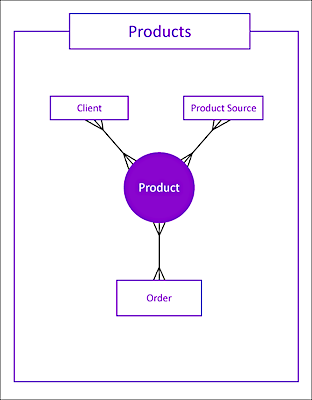
The products data stream type is intended for ingesting data from the commerce world. This data generally includes entities such as products, and clients, as well as metrics, like unit purchases and cost. The products data stream type can report on off-line purchases and ecommerce transactions, and then tie them back to the marketing data to create a more wholesome picture of your data.
Search Keywords
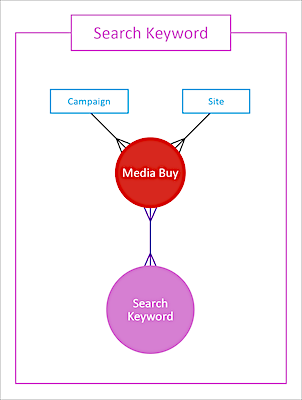
The search keywords data stream type is intended for ingesting data related to ads displayed in search-engine results whenever someone searches for the services or products using keywords offered by the advertiser. The data is associated with campaigns and is measured by impressions, clicks, and media cost, and other fields that make up its data set. This type of advertising has managed to acquire numerous names, such as Search Advertising, Paid Search, Search Engine Marketing, Pay Per Click Marketing and more. The Search Keywords data stream type is suitable for providers such as Google Ads, Search Ads 360, and Bing Ads.
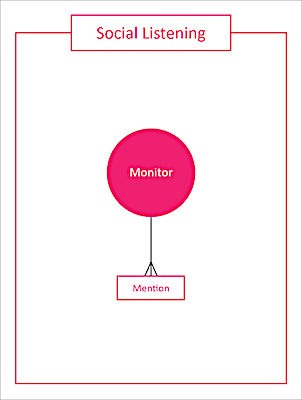
Social Listening
The social listening data stream type is used to monitor social media channels for mentions of your brands, competitors, products, and so on. Social listening is used to track, analyze, and respond to conversations on social media regarding your brand or product. The social listening data stream type is suitable for platforms such as: Salesforce Social Studio, Sprinklr, and more.
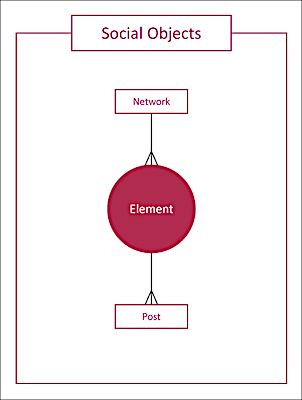
Social Objects
The social objects data stream type is where you can find the organic social data that is being tracked on various social networks and platforms. This type of data is related to the organic social activity on your pages and posts, such as number of fans, engagement, organic reach and more. The social objects data stream type is relevant for providers, such as Facebook, Instagram, Twitter, YouTube, Pinterest, and more.
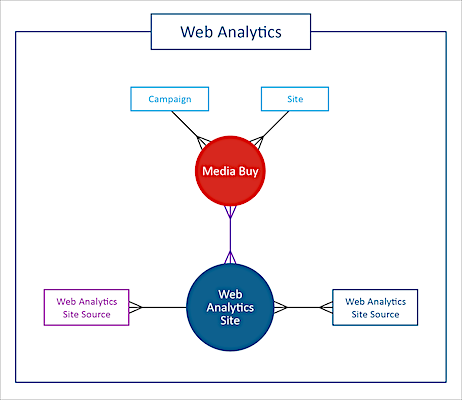
Web Analytics
The web analytics data stream type is intended for ingesting data related to the traffic in your web pages. This data stream type can help you analyze and assess the effectiveness of your website, based on how many visits it gets, how much time people spend on each web page, or how many website transactions are combined into a complete process. The web analytics data stream type can be used with providers, such as Google Analytics, Adobe Analytics, and more.
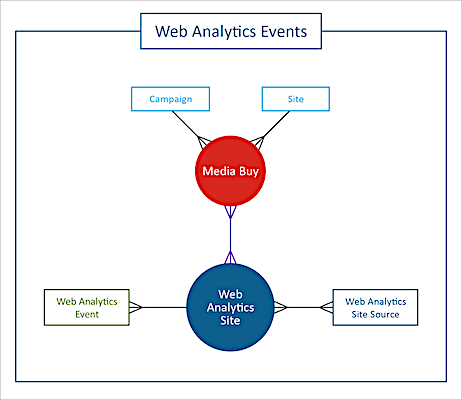
Web Analytics Events
The web analytics event data stream type is used to analyze events, such as user interactions on a website. An interaction can be specified according to the needs of the user. For example, a user can decide to track the event, such as all clicks on “Add to cart”. The web analytics events data stream type is suitable for any web analytics platform, such as Google Analytics, and Adobe Analytics.
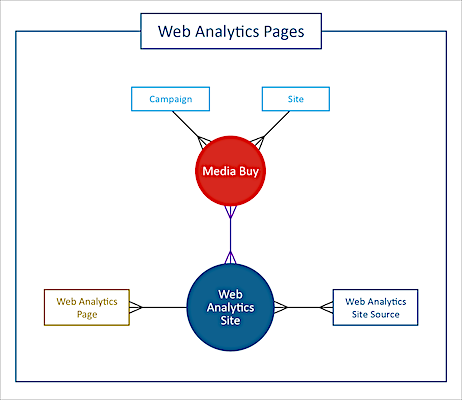
Web Analytics Pages
The web analytics pages data stream type is used to track and monitor all data pertaining to the analytics of your website, including page views, visits, time on page, and so on. This analysis is more granular and allows you to get a deeper understanding and breakdown of the findings. For example you can get analytics for specific pages and page paths. This data stream type is suitable for analytics platforms, such as Google Analytics, and Adobe Analytics.
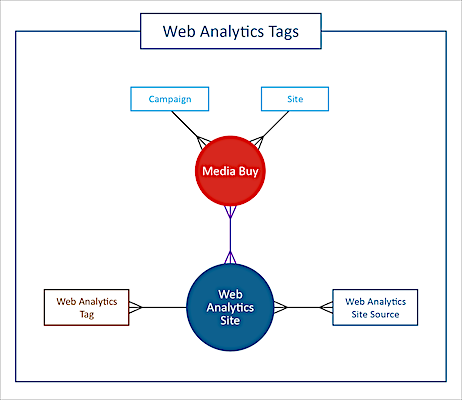
Web Analytics Tags
The web analytics tags data stream type is used for data that tracks goals and their completion in web analytics. When setting a goal you can add a tag and name it, making it easier to track the goal and its completion. This data stream type can be used for Google Analytics and more.
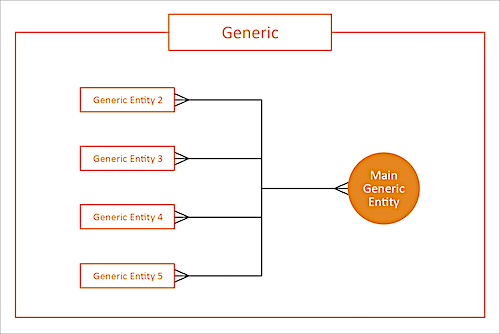
Generic Data Stream Type
The generic data stream type is used to ingest data that doesn’t comply with any of the existing Marketing Cloud Intelligence data models. With all of its entities in a many-to-many relationship, dozens of custom attributes for each entity, and a large number of custom measurements, it provides a flexibility of structure that caters to a wide range of data types. You can use this data stream type to ingest any type of data with various structures, such as survey responses, internal employee statistics, business process analyses, and more.
- Data Stream Types in Marketing Cloud Intelligence
Marketing Cloud Intelligence includes different data stream types to map your data. A data stream type defines which Marketing Cloud Intelligence fields are available for mapping based on your data source. For example, if your data source contains campaign, placement, and ad ID fields, Marketing Cloud Intelligence recognizes this as ads data and offers the Ads data stream type when mapping.
